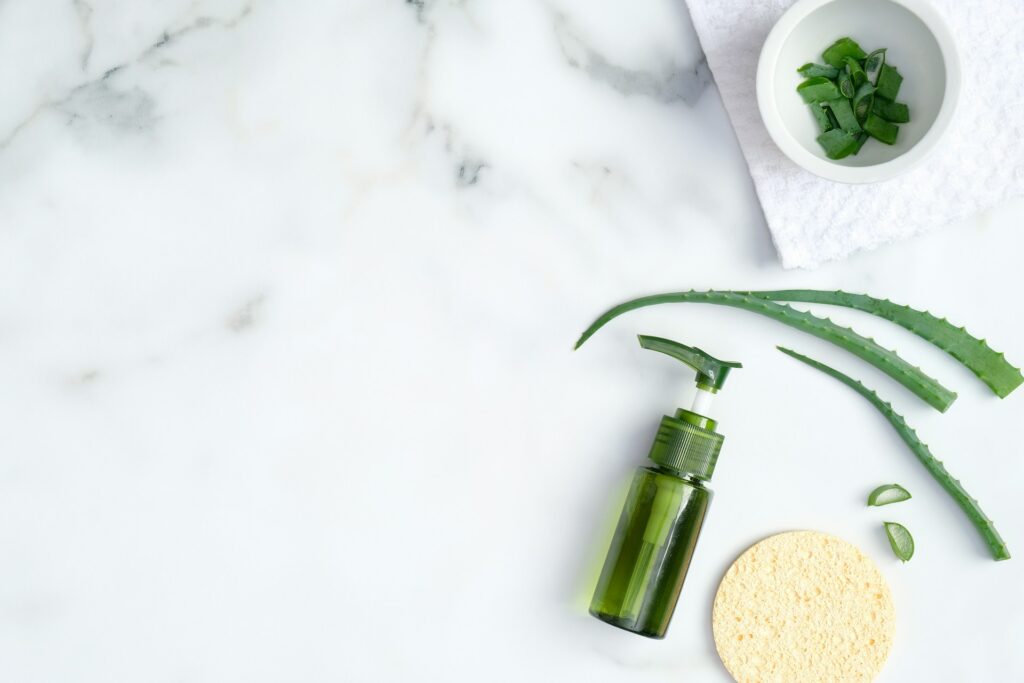
Aloe vera is a wonderful herb with a long list of health benefits. It is not only the perfect herb to help soothe a sunburn or other sores on your skin, but it can be used for other natural skin care purposes as well. Try out some of these natural skin care methods using aloe.
Moisturize Your Skin
The gel from aloe vera plants is an amazingly simple way to add more moisture to your skin. It is completely healthy and herbal, so you aren’t adding chemicals or fragrances to your skin, which is often where other moisturizers go wrong. It also won’t cause more oil to your skin or clog your pores, but still gives you that soft and smooth skin you are hoping to get. Consider using this moisturizer every day, as well as if you have just shaved your face or gotten waxed, as it won’t irritate the area and will actually soothe it more.
Treat Your Acne Naturally
Aloe is often recommended as a natural approach to acne treatments because it provides exceptional healing abilities. Many people use aloe vera gel to help with sunburns, cuts, and crapes, and it is this same healing concept that helps with your acne. It will reduce inflammations and redness, treat itchy pimples, and allow new cells to grow in your skin to prevent further acne problems. It is safe to use on any form of acne and can also help with other chronic skin conditions like rosacea and cystic acne, so you don’t have to worry about any adverse side effects.
Reduce Signs of Aging
Aloe also happens to be one of the top natural remedies for anti-aging purposes. Regardless of your current age, you might be showing subtle signs of aging with fine lines and wrinkles, or a loss of elasticity in your skin. Aloe helps to tighten up your skin and will provide you with loads of nutrients and antioxidants to further help with a more youthful appearance. Aloe contains vitamin C, vitamin E, and beta carotene, all of which are important for anti-aging and hydrating the skin.
Heal Wounds
Sometimes when you have infections or skin conditions, they can lead to wounds of various types on your skin. You can use aloe as a natural way to close up these skin wounds and help smooth out your appearance while reducing the scarring at the same time.
Learn some more about Aloe Vera
In the video below you can learn more about the amazing aloe vera plant. To make it easier for you, I have summarized the important points, so you can read along while you watch.
The Hidden Power of This Common Home Remedy Will AMAZE You
In this article I explore the same discoveries I shared in my video about aloe vera: a modest houseplant that has been prized for thousands of years and is now backed by modern science. Read on to learn why aloe vera has been called the “plant of immortality,” how it works, practical ways to use it, and important safety tips so you can make informed choices for your health and beauty routine.
Why Aloe Vera Deserves a Spot in Your Home
Aloe vera is far more than a decorative succulent. Ancient civilizations — from Egyptian queens like Cleopatra to military leaders who prized it for wounded soldiers — treated aloe as a precious healing plant. Today researchers have identified more than 75 active compounds in aloe, including vitamins, minerals, amino acids and potent anti-inflammatory substances.
That unique blend of compounds makes aloe one of the rare natural remedies that works both as a medicine and a beauty treatment: it can soothe and repair skin from the outside and support healing from the inside.
How Aloe Vera Heals: The Science, Simplified
Wound repair and antimicrobial action
When you cut open an aloe leaf and apply the inner gel to the skin, you’re not just getting a cooling sensation. Aloe contains a complex polysaccharide (commonly known as acemannan) that accelerates cellular regeneration. In plain terms: it helps skin cells repair themselves faster. At the same time, aloe has antimicrobial compounds that reduce the risk of infection while healing proceeds.
Digestive health from the inside out
Consumed as a properly processed juice or gel, aloe delivers many of the same healing compounds directly to the digestive tract. Traditional healers have long used aloe for stomach complaints, and modern research supports benefits for issues like acid reflux and inflammatory bowel conditions. Aloe can create a protective coating along the gut lining, reducing inflammation and supporting tissue repair.
Note: the outer leaf contains anthraquinones, which can be harsh on digestion. The therapeutic, food-safe portion is the inner gel when it is properly prepared to remove laxative compounds.
Immune modulation
Aloe is more than an immune stimulant — it’s an immunomodulator. That means it can help boost immunity when needed and calm excessive immune responses when overactive, acting like a smart thermostat for the immune system. This broad regulatory effect helps explain aloe’s usefulness across many conditions, from infections to autoimmune-related inflammation.
Blood sugar and metabolic effects
Several studies indicate that regular, appropriate consumption of aloe vera can help stabilize blood glucose. It appears to improve insulin sensitivity and glucose metabolism, helping cells respond to insulin more effectively. While aloe is not a cure for diabetes, it can be a helpful complement to a healthy lifestyle for people monitoring blood sugar.
Potent anti-inflammatory action
Chronic inflammation underlies most modern diseases. Aloe contains over a dozen anti-inflammatory compounds — including natural salicylates related to aspirin — that work through multiple pathways. The result is comprehensive inflammation control that synthetic single-target drugs often cannot match.
Aloe Vera for Beauty: Skin, Hair and Anti-Aging
Aging slows collagen production, and aloe helps because it contains amino acids and vitamin C — basic building blocks for collagen. Applied topically, aloe supplies raw materials that support new collagen formation and skin repair.
Beyond collagen, aloe has natural enzymes that gently exfoliate dead skin while stimulating fresh cell growth. This combination of removal and regeneration makes aloe an effective natural anti-aging and skin-repair treatment.
For hair, aloe gel can be used as a lightweight conditioner that soothes the scalp, reduces irritation, and adds shine.
Practical Ways to Use Aloe Vera
Here are simple, safe ways to incorporate aloe into daily life:
- Digestive support: Start with 1 tablespoon of pure, well-processed aloe gel mixed into water on an empty stomach in the morning. Monitor how you feel and adjust slowly.
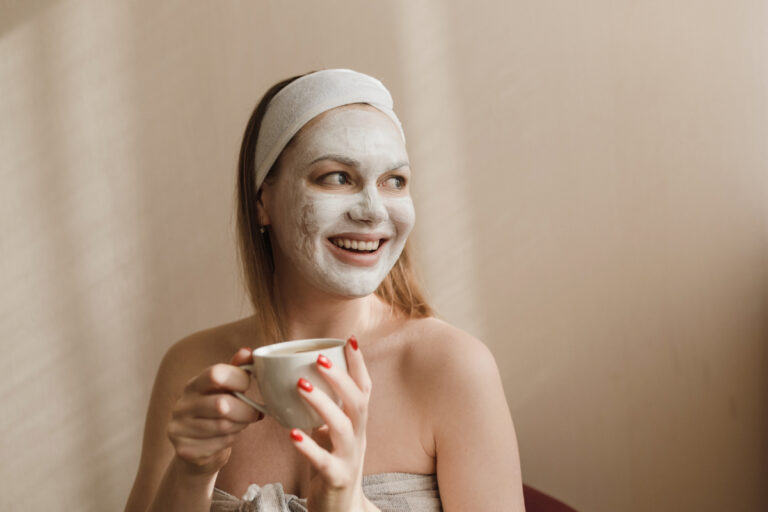
- Skin care: Apply fresh gel directly to clean skin as a moisturizer or to soothe minor burns, sunburn and irritations. Make a face mask by mixing aloe gel with honey or oatmeal for added hydration and calm.
- Hair care: Use aloe gel as a natural conditioner or scalp treatment to reduce itch and add gloss.
- First aid: Keep a potted aloe nearby to break off gel instantly for small cuts, scrapes and sunburn relief.
Growing and Harvesting Tips
Aloe vera is one of the easiest medicinal plants to grow at home:
- Place in bright, indirect light.
- Water deeply but infrequently — allow soil to dry completely between waterings.
- Harvest older outer leaves as needed; a mature plant can provide months of gel while continuing to produce new leaves.
Conclusion — Will You Unlock Aloe’s Potential?
Aloe vera is a remarkable convergence of ancient wisdom and modern science. From wound healing and immune modulation to digestive support, blood sugar balance and skin rejuvenation — it’s a multipurpose ally you can grow on your windowsill.
I encourage you to consider adding aloe to your natural-health toolkit. Start small, follow safety guidance, and observe how your body responds. If you already keep an aloe plant at home, start using it — and if you don’t, consider bringing one into your life. The choice is yours.